
WHY DOES A HIGH CIBIL SCORE NOT GUARANTEE A LOAN OR CREDIT CARD?
One of the biggest myths associated with High CIBIL Score is – Approval of loans or credit cards instantly. But, for sometimes even though you’re having a high credit score
One of the biggest myths associated with High CIBIL Score is – Approval of loans or credit cards instantly. But, for sometimes even though you’re having a high credit score

While running a business, collecting the past due payments from your business customers can be one of the most daunting aspects.
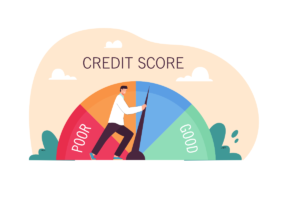
It is no more difficult to bounce back from bad credit if you are keen to follow the right steps to set up yourself for financial success by paying off left debt.

There are many aspects to run a business, but the simplest bottom line is that – you products and services in exchange for payments collected from your clients

Many companies work hard to maximise debt collection performance by closely working with their collection teams and Debt Collection Agencies (DCAs).

The supreme court, in their latest judgment, has extended the SARFAESI act to cooperative banks.
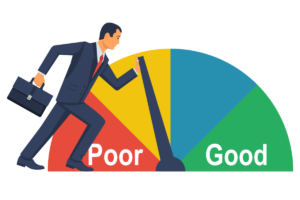
The most important aspects you need to consider while applying for a loan from any bank or financial institution is your credit score which is often considered as a CIBIL Score.
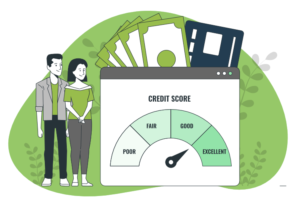
Business owners usually need financial help over and over again. To turn the entrepreneurial vision into reality or to keep an existing company afloat

Collecting a debt can be challenging, specifically when the defaulters move without updating the forwarding address.

Do you have a low CIBIL score? Fret not. We show you ten different ways in which you can improvise the score over time.

We all know that the CIBIL score plays a significant role in processing home loan applications.

Are you looking to seek credits from the bank but unaware of the terminologies such as credit score, credit report