
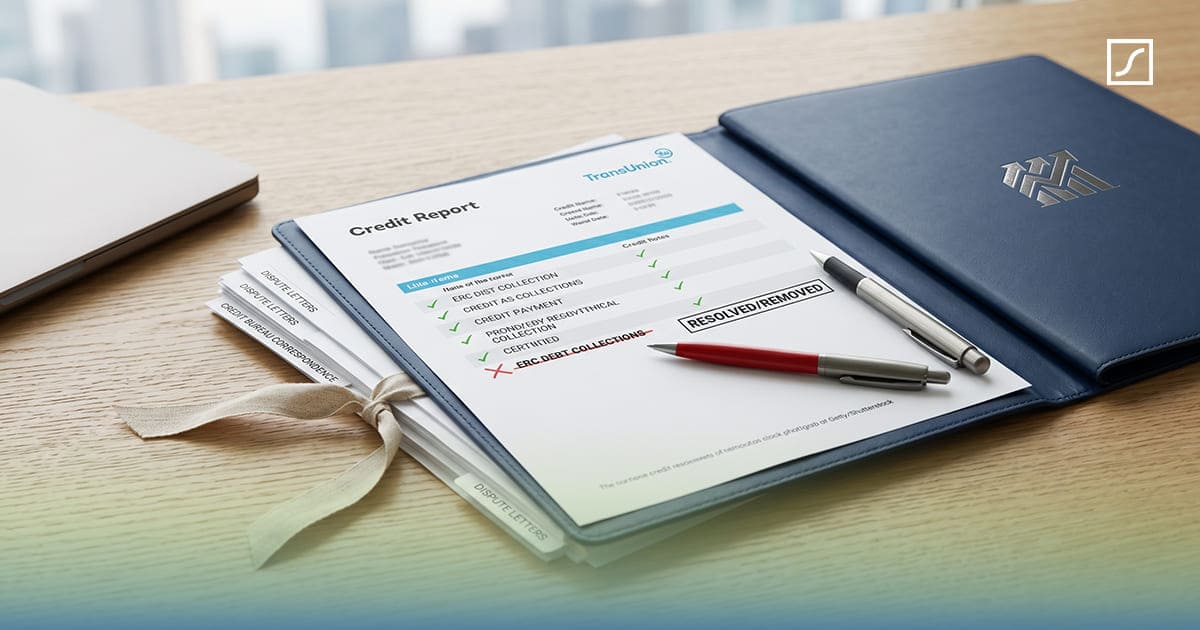

Dealing with debt can be stressful, and it becomes even more challenging when it negatively impacts your credit report. One such debt collection agency that might appear on your credit report is ERC, also known as Enhanced Recovery Company. If you’ve had an experience with ERC or any debt collection agency India operates and want to improve your credit standing, this comprehensive guide will provide you with valuable insights on how to remove ERC from your credit report. Remember, with the right knowledge and proactive steps, you can take control of your credit and pave the way for a better financial future.
Understanding ERC Debt Collections
ERC is a prominent debt collection agency that specializes in collecting outstanding debts on behalf of creditors. In many cases, agencies like ERC also provide debt recovery collection services and even corporate debt collection services for businesses dealing with unpaid accounts. They work with various types of debt, including medical bills, credit card debts, student loans, and more. When ERC appears on your credit report, it indicates that they are actively pursuing collection efforts for a specific debt you owe.
Challenging ERC Debt Collections
If you find ERC on your credit report and believe there may be inaccuracies or errors, you have the right to challenge their presence. Similar to how a B2B Debt Collection Agency or providers of B2B Debt Recovery Services handle disputes professionally, you can take structured steps to resolve the issue. Here are the steps you can take to address the situation:
- Obtain a copy of your credit report: Request a free copy of your credit report from each of the major credit reporting agencies – Experian, Equifax, and TransUnion. You are entitled to one free report per year from each agency.
- Review your credit report carefully: Look for any inaccuracies or discrepancies related to the ERC entry. Pay attention to the debt amount, dates, and other relevant information. If you notice any errors, make note of them.
- Dispute the inaccurate information: Write a formal dispute letter to the credit reporting agencies, detailing the errors you found in the ERC entry. Include supporting documents, such as payment receipts or correspondence, to strengthen your case. The credit reporting agencies have 30 days to investigate your dispute.
- Communicate with ERC: While the dispute is in progress, reach out to ERC directly to discuss the debt. Request verification of the debt, including the original creditor, account number, and proof of their authority to collect. Be sure to keep a record of all communications.
- Follow up with the credit reporting agencies: If the investigation finds that the ERC entry is inaccurate or unverifiable, it should be removed from your credit report. Ensure that the agencies update your credit report accordingly.
Rebuilding Your Credit
Removing ERC from your credit report is an essential step toward improving your credit score. However, it’s equally important to focus on rebuilding your credit. Whether dealing with personal debt or services offered by corporate debt collection services or debt recovery collection services, maintaining financial discipline is key. Here are some strategies to consider:
- Pay your bills on time: Consistently make payments on all your debts, including credit cards, loans, and utilities. Timely payments demonstrate responsible financial behavior.
- Reduce your debt: Develop a plan to pay down your existing debts. Consider strategies like the debt snowball method or the debt avalanche method to accelerate your progress.
- Maintain low credit utilization: Aim to keep your credit card balances below 30% of your available credit limit. High credit utilization can negatively impact your credit score.
- Establish positive credit history: If you lack a credit history or have limited credit, consider obtaining a secured credit card or becoming an authorized user on someone else’s credit card. Make small purchases and pay them off promptly to build a positive credit record.
- Monitor your credit regularly: Keep a close eye on your credit reports to ensure accuracy and address any potential issues promptly. You can use free credit monitoring services or consider subscribing to a paid credit monitoring service for added protection.
Conclusion
ERC debt collections can have a significant impact on your credit report. By understanding the steps to remove ERC from your credit report and taking proactive measures to rebuild your credit, you can regain control over your financial health. Whether you’re dealing with an individual account or services offered by a B2B Debt Collection Agency or a debt collection agency in India, staying informed is crucial. Remember to stay vigilant, maintain responsible financial habits, and seek professional advice if needed. With patience and persistence, you can work toward a brighter credit future and achieve your financial goals.
Frequently Asked Questions (FAQs)
1. What is ERC on my credit report?
ERC (Enhanced Recovery Company) is a debt collection agency that appears on your credit report when it is assigned to collect an unpaid debt on behalf of a creditor, such as credit cards, medical bills, or loans.
2. Can ERC be removed from my credit report?
Yes, ERC can be removed if the information is inaccurate, incomplete, or unverifiable. You can dispute the entry with credit bureaus or request debt validation directly from ERC.
3. How long does an ERC stay on a credit report?
Typically, a collection account like ERC can remain on your credit report for up to 7 years from the date of the original delinquency, even if it is paid.
4. Will paying ERC improve my credit score?
Paying off the debt may not immediately remove the collection from your report, but it can improve your creditworthiness over time and prevent further collection actions.
5. What should I do if I don’t recognize the ERC debt?
If you don’t recognize the debt, request a debt validation letter from ERC. They must provide proof that the debt is legitimate and that they have the authority to collect it.