
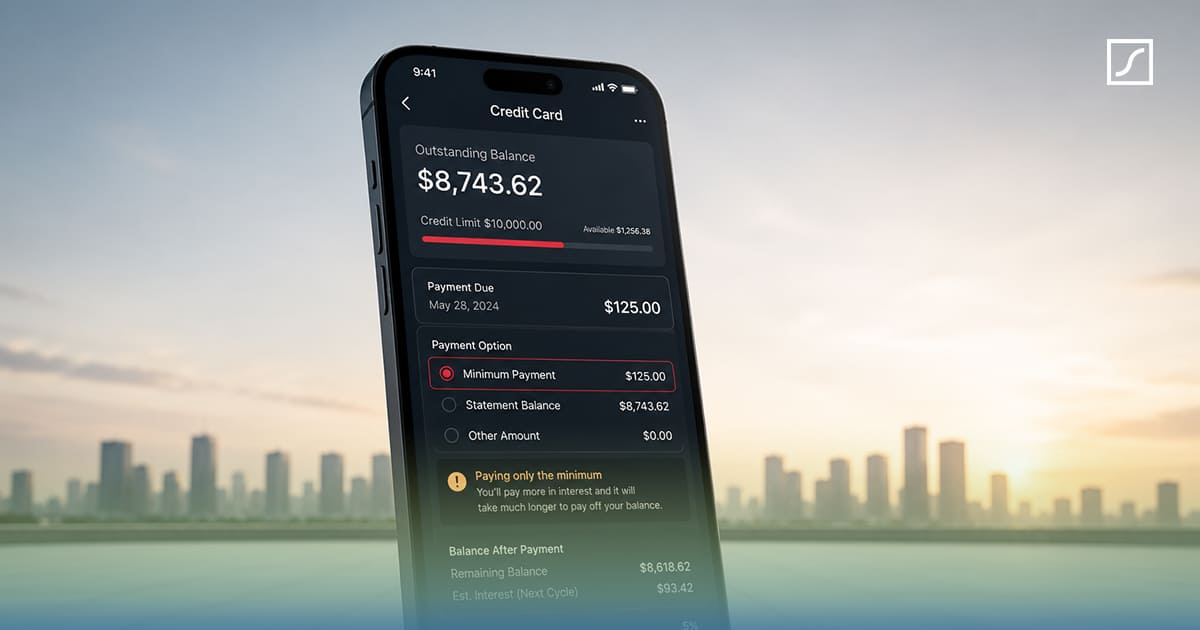

The way a customer uses his or her credit card might have a big impact on his or her credit score. It’s critical to pay your credit card payments on time and keep your credit card balance low because it has a direct impact on your credit score. However, lenders may learn a lot about your credit behaviour by just watching how you pay your credit card bills. When you pay your monthly credit card bills on time, it demonstrates that you are managing your credit card debt properly, which improves your creditworthiness in the eyes of the lender.
Every credit card provider reports to credit bureaus the amount of money you spend on your credit cards on a monthly basis. Regardless of the amount paid, the information will appear on your credit report. Your credit score will not be harmed if you pay your bills in full and on time. Payment information on your credit report, on the other hand, will reflect a change in your finances, increasing your liability to the lender. Your credit score will begin to decrease if you miss any payments or have a high credit utilisation rate.
What is minimum payment?
When you get your credit card bill, you usually have three possibilities for paying it: the minimum due, the statement balance, and the current balance. The minimum payment is the relatively small amount you must pay each month to keep your account current. The statement balance represents your account’s total balance for that billing period. The total amount of your most recent bill plus any recent charges is your current balance.
Experts recommend paying down your statement debt in full every month, although this may not always be possible. In some circumstances, it’s critical to make at least the minimum payment to keep your account current and avoid late fees or penalties.
What happens when you make minimum payments?
It is very essential to pay your credit card bills in full and on time to maintain a decent credit score. Even if you can only afford to pay the minimum necessary each month, it is vital to do so on a regular basis to keep your credit score healthy. Customers who make minimum payments but miss them and keep doing the same thing will see their credit score drop.
Credit score issues can also arise when a customer just makes minimum payments while simultaneously spending and increasing his credit card balances. The credit utilisation rate is altered in this instance, which has an impact on your credit score. As a result, it is recommended that all customers keep their credit utilisation percentage below 30%. Basically, the most important thing is to pay the full amount on time every month.
Benefits of paying the minimum amount
- Paying the minimal amount keeps your credit alive, allowing you to use the card for the full amount of credit available (barring the amount converted to EMI)
- Also, if you pay the minimal amount required, the bank will not mark your payment as a ‘default’ on your credit report. Your credit score will be safeguarded as a result of this.
- You can avoid paying late fees.
Risks of paying the minimum amount
- If you just pay the minimum payment, the remaining balance is carried forward and interest is imposed on it.
- The minimum amount grows for each month you delay complete payment, as the debt from one month is added to the next month’s minimum amount.
- Annual credit card interest rates range from 35 to 40 percent. It is calculated daily on the outstanding amount, or the amount that has not been paid. Interest is calculated starting from the date of purchase, not from the end of the billing cycle. As a result, if you just pay the minimum debt, you will be charged interest on that amount from day one, thereby losing the benefit of the credit-free period.
- The amount you owe is deducted from your available credit limit. As a result, you might not be able to swipe your credit card as needed.
Final Thoughts
It may be tempting to pay only the minimum amount owing on your credit card account, but doing so can be quite risky. If you are short on money, paying the minimal amount once in a while may be OK, but if you make it a habit, you may soon find yourself paying twice as much. According to industry experts, cardholders should not spend more than 50% of their credit limit on their credit card in a single month, as doing so can harm the cardholder’s credit score. Hence, to avoid paying an additional amount on your credit card, make sure you pay your bill in full and on time.